
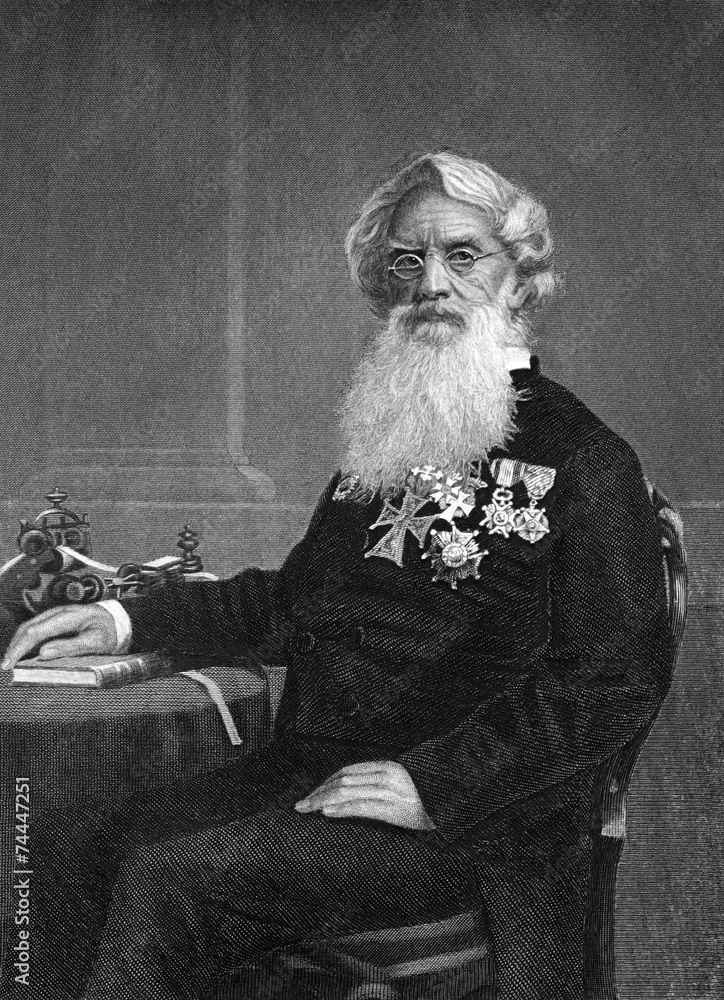
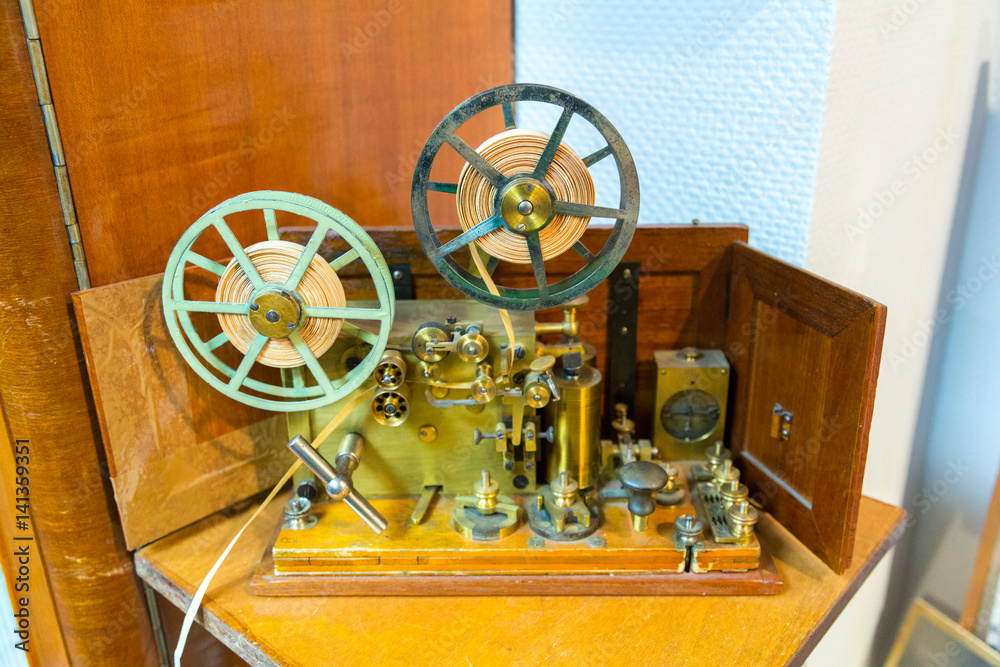
Samuel F.B. Morse’s telegraph is seen as a grand feat and achievement for the digital movement.
Yet, when in many historical and engineering focuses it is argued that his telegraph succeeded simply because it was simpler than the devices of his competitors.
Once the scope is expanded and perspective is taken in an interdisciplinary manner, it becomes much clearer that the above explanation not only is over-simplified, but incomplete and slaps a reductionist lens behind Morse’s hard work.
The claim that his device won against others because of its simplicity ignores the key engineering, economic, and political factors that contributed to it’s success.
From a computer science/engineering aspect, the digital encoding Morse’s system takes advantage of tears apart the simplicity claim.
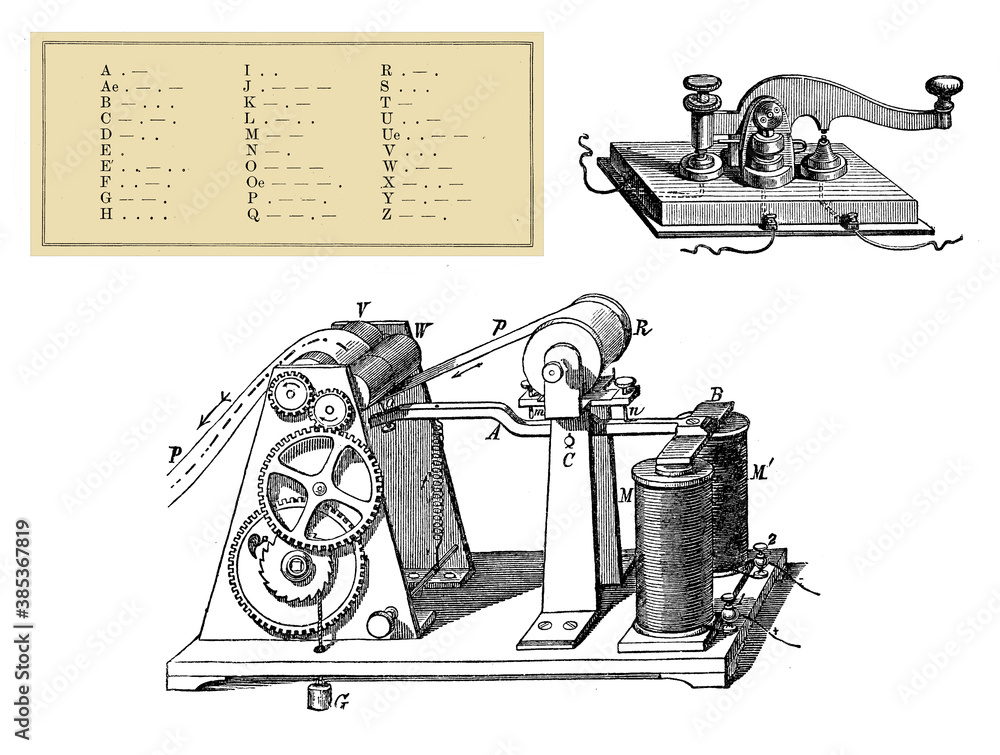
Morse was able to come up with a digital code for his telegraph. It is a fixed code comprised of dots and dashes. While Morse originally only used numbers, Alfred Vail expanded it to include letters and characters.
Each character has a unique combination of dots and dashes, Morse and Vail had the foresight to give most used letters easier dot and dashes sequences. This digital encoding enabled the device to be optimized for frequent use.
In comparison, competing analog systems were more sensitive to noise and needed skilled operators to work them. The digital on/off pulses of dots and dashes are able to travel farther with less noise or distortion.
So, there was nothing simple about creating a digital code that was able to make long distance transmission more reliable.
Following this, is the economic advantage Morse’s telegraph had. Analog telegraphs required multiple wires, each letter had a corresponding wire. This resulted in expensive production costs and clunky devices with wires hanging on all sides.
Morse’s telegraph only used one wire, a major improvement that dramatically reduced the cost. Since the cost of creating Morse’s telegraph was cheaper, it made adoption much faster.
Finally, Morse was originally a celebrated painter. After the loss of his wife and being informed belatedly, he wanted to find a way to make communication faster. So surely he had to get the funding to experiment and create his telegraph ideas from somewhere.
At first he gained his funding through partnerships with Leonard Gale and Alfred Vail. Later, in 1843, Congress funded Morse’s first line.
Being able to secure government added legitimacy to Morse’s invention. Morse was able to achieve success because the institution choose to back him. This solidifies that it was not only a simple matter of having a “simpler” device.
Especially not when it can be argued that his device is not truly simple. It maybe be simple in the infrastructural and economic sense with reduced wires. However, his solution to the wire problem shifted the complexity from the device to the operator; as now anyone who wanted to use his device had to learn his code.